{{filter.label}}
Holidays on Isola di San Pietro
History
Isola di San Pietro has a fascinating history that reflects its strategic maritime importance. Archaeological findings indicate Nuragic settlements dating back to the Bronze Age, highlighting the island's long-standing human presence. During the Roman period, it was used for maritime activities, and in medieval times, it served as a lookout point and defensive station against pirate attacks.
In the 19th and 20th centuries, the island was utilized for industrial purposes, including sulfur mining and fish processing. During World War II, it played a role with its coastal defenses. Moreover, the island's population has traditionally relied on fishing and agriculture, which continue to influence local culture.
Description
The island is roughly oval-shaped with an area of about 4.4 km². Its highest point reaches around 250 meters above sea level, offering panoramic views of the Mediterranean. Vegetation is typical of the Mediterranean climate, with maquis shrublands, olive groves, and pine forests. The coast is marked by dramatic cliffs, sandy beaches, and small coves, making it ideal for exploration and relaxation.
Main Village:
The settlement features narrow, winding streets that lead to the historic center, where whitewashed houses with colorful shutters line the streets. The village retains a charming, rustic atmosphere with local cafes, small taverns, and historic buildings such as the Church of San Pietro.
Typical Food
The cuisine is deeply rooted in maritime traditions:
Seafood: Fresh catches like sardines (sardinhas), anchovies, octopus, and calamari.
Fregola: A Sardinian-style pasta made from semolina, often served with clams, mussels, or other seafood in a flavorful broth.
Seafood Risotto: Rich and hearty, made with fresh local seafood.
Bread and Olive Oil: Homemade bread seasoned with local olive oil, often served with cheeses and cured meats.
Local Sweets: Seadas (a Sardinian pastry with cheese and honey), and other traditional desserts.
Activities
Snorkeling & Diving: Clear waters and abundant marine life make the island perfect for underwater exploration.
Hiking & Nature Walks: Trails lead through pine forests, along coastlines, and to panoramic viewpoints. Notable spots include Punta Nera and the historic lighthouse.
Boat Tours: Explore hidden beaches, sea caves, and the surrounding archipelago.
Fishing: Both recreational and traditional fishing remain important.
Cultural Tours: Visit historic sites such as the Torre di Sant’Andrea and old quarry sites.
Shops
Small, local shops sell:
Handcrafted jewelry using shells and local stones.
Traditional Sardinian textiles and embroidery.
Artisanal leather goods and ceramics.
Regional food products, including dried fish, cheeses, and local wines.
Souvenirs such as postcards, nautical items, and colorful ceramics.
Festivals
Festa di San Pietro (June):
Celebrates the patron saint with religious processions, boat parades, and fireworks. The festivities include traditional music, dance, and communal meals.
Sardinian Cultural Festivals:
Featuring traditional costumes, folk music, and dance performances, especially during summer months.
Sea Festivals:
Celebrations related to the fishing tradition with regattas and seafood tastings.
Nature
The natural environment is one of the island's most attractive features:
Birdwatching: Endemic species and seabirds like gulls and cormorants can be observed.
Flora: Mediterranean maquis, wild herbs, and endemic plants add to the island’s biodiversity.
Protected Areas: Parts of the island are designated as protected natural zones to preserve its unique flora and fauna.
Coastal Caves: Sea caves and grottos accessible by boat or during low tide, such as Grotta del Bue Marino, are notable geological features.
Isola di San Pietro has a fascinating history that reflects its strategic maritime importance. Archaeological findings indicate Nuragic settlements dating back to the Bronze Age, highlighting the island's long-standing human presence. During the Roman period, it was used for maritime activities, and in medieval times, it served as a lookout point and defensive station against pirate attacks.
In the 19th and 20th centuries, the island was utilized for industrial purposes, including sulfur mining and fish processing. During World War II, it played a role with its coastal defenses. Moreover, the island's population has traditionally relied on fishing and agriculture, which continue to influence local culture.
Description
The island is roughly oval-shaped with an area of about 4.4 km². Its highest point reaches around 250 meters above sea level, offering panoramic views of the Mediterranean. Vegetation is typical of the Mediterranean climate, with maquis shrublands, olive groves, and pine forests. The coast is marked by dramatic cliffs, sandy beaches, and small coves, making it ideal for exploration and relaxation.
Main Village:
The settlement features narrow, winding streets that lead to the historic center, where whitewashed houses with colorful shutters line the streets. The village retains a charming, rustic atmosphere with local cafes, small taverns, and historic buildings such as the Church of San Pietro.
Typical Food
The cuisine is deeply rooted in maritime traditions:
Seafood: Fresh catches like sardines (sardinhas), anchovies, octopus, and calamari.
Fregola: A Sardinian-style pasta made from semolina, often served with clams, mussels, or other seafood in a flavorful broth.
Seafood Risotto: Rich and hearty, made with fresh local seafood.
Bread and Olive Oil: Homemade bread seasoned with local olive oil, often served with cheeses and cured meats.
Local Sweets: Seadas (a Sardinian pastry with cheese and honey), and other traditional desserts.
Activities
Snorkeling & Diving: Clear waters and abundant marine life make the island perfect for underwater exploration.
Hiking & Nature Walks: Trails lead through pine forests, along coastlines, and to panoramic viewpoints. Notable spots include Punta Nera and the historic lighthouse.
Boat Tours: Explore hidden beaches, sea caves, and the surrounding archipelago.
Fishing: Both recreational and traditional fishing remain important.
Cultural Tours: Visit historic sites such as the Torre di Sant’Andrea and old quarry sites.
Shops
Small, local shops sell:
Handcrafted jewelry using shells and local stones.
Traditional Sardinian textiles and embroidery.
Artisanal leather goods and ceramics.
Regional food products, including dried fish, cheeses, and local wines.
Souvenirs such as postcards, nautical items, and colorful ceramics.
Festivals
Festa di San Pietro (June):
Celebrates the patron saint with religious processions, boat parades, and fireworks. The festivities include traditional music, dance, and communal meals.
Sardinian Cultural Festivals:
Featuring traditional costumes, folk music, and dance performances, especially during summer months.
Sea Festivals:
Celebrations related to the fishing tradition with regattas and seafood tastings.
Nature
The natural environment is one of the island's most attractive features:
Birdwatching: Endemic species and seabirds like gulls and cormorants can be observed.
Flora: Mediterranean maquis, wild herbs, and endemic plants add to the island’s biodiversity.
Protected Areas: Parts of the island are designated as protected natural zones to preserve its unique flora and fauna.
Coastal Caves: Sea caves and grottos accessible by boat or during low tide, such as Grotta del Bue Marino, are notable geological features.
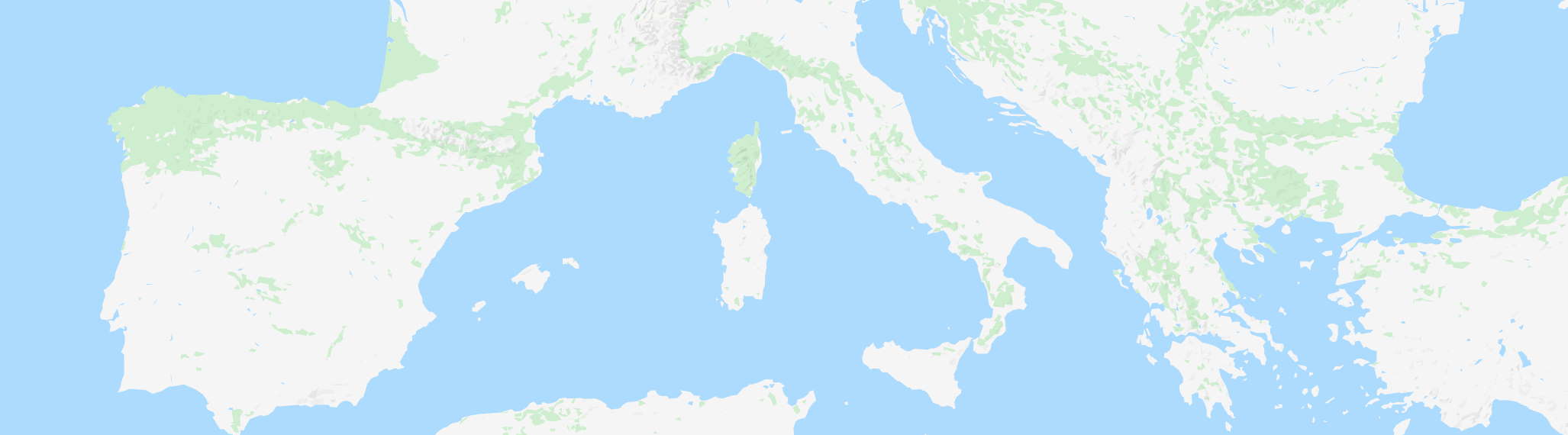
Click to show the map